

The Definitive Guide to Vehicle Lift Points: Where to Safely Place Your Jack:
Let's get one thing straight right out of the gate: guessing where to lift a 6,000-pound vehicle is a terrible idea. Between modern unibody construction, massive suspension travel on lifted trucks, and terrible advice floating around off-road forums, finding the correct lift point can be confusing.
The absolute golden rule? Read your vehicle owner’s manual. Manufacturers have cut chassis weight while retaining rigidity, meaning the "old school" lift points you used ten years ago might crumple like a soda can today. Here is exactly how to locate safe lift points and execute the lift without damaging your vehicle—or yourself.
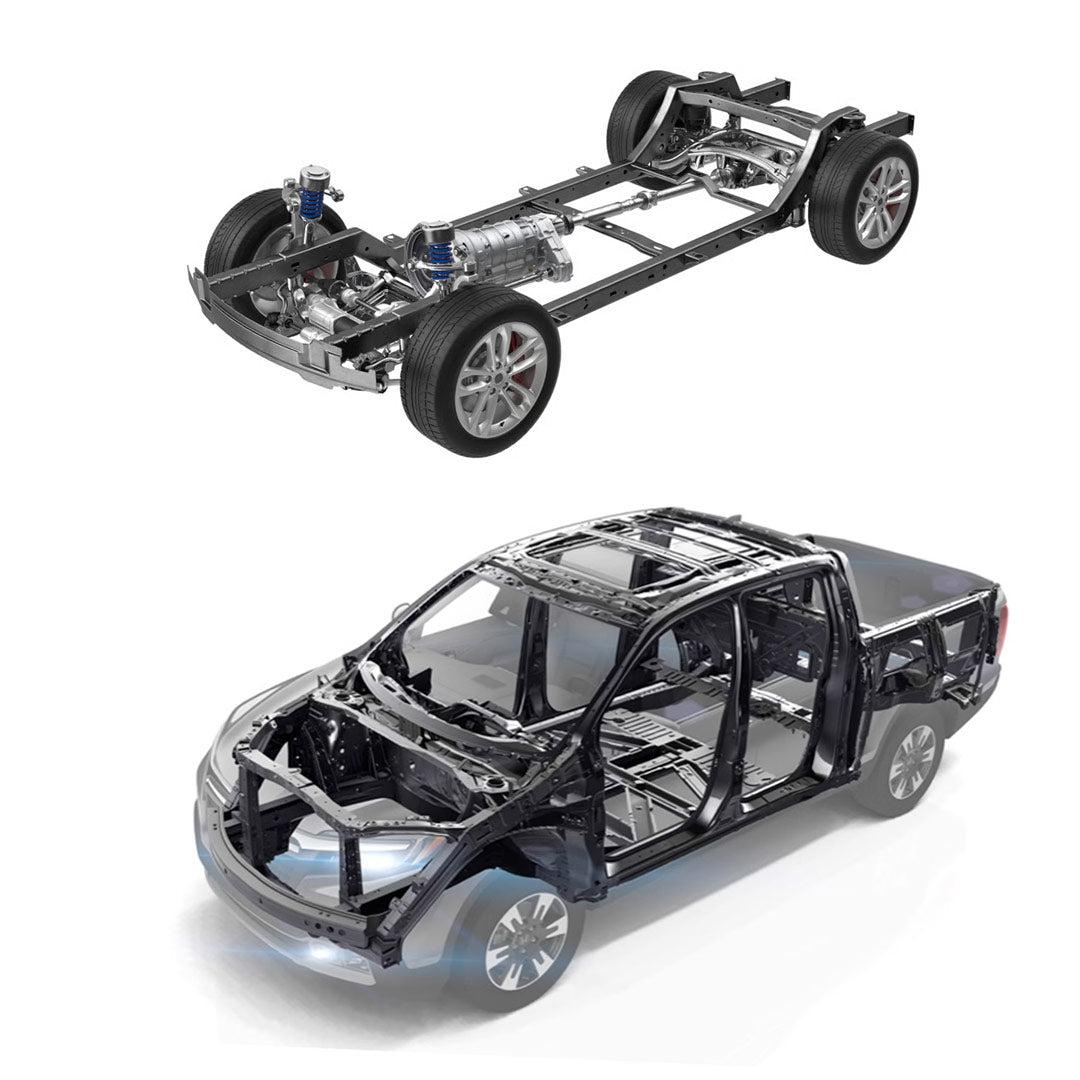
Front & Rear Lift Points:
Frame vs. Unibody
Vehicles generally fall into two categories, and you must know which one you are driving before you pump the jack handle:
- Unibody Vehicles (Most modern SUVs, Crossovers, and Cars): The safe lift points are typically located directly behind the front tires and directly in front of the rear tires along the pinch weld.
Chief Mechanic Warning: Never lift a unibody directly on the bare pinch weld with a flat steel jack pad. It will crush. Always use Pro Eagle Pinch Weld Adaptor to safely cradle the metal seam. - Body-on-Frame Vehicles (Trucks, Jeep Wranglers, Heavy SUVs): You can lift directly from the steel frame rails. However, locating a flat, horizontal section of the frame near the rear tires can be a challenge due to aggressive frame curvature.
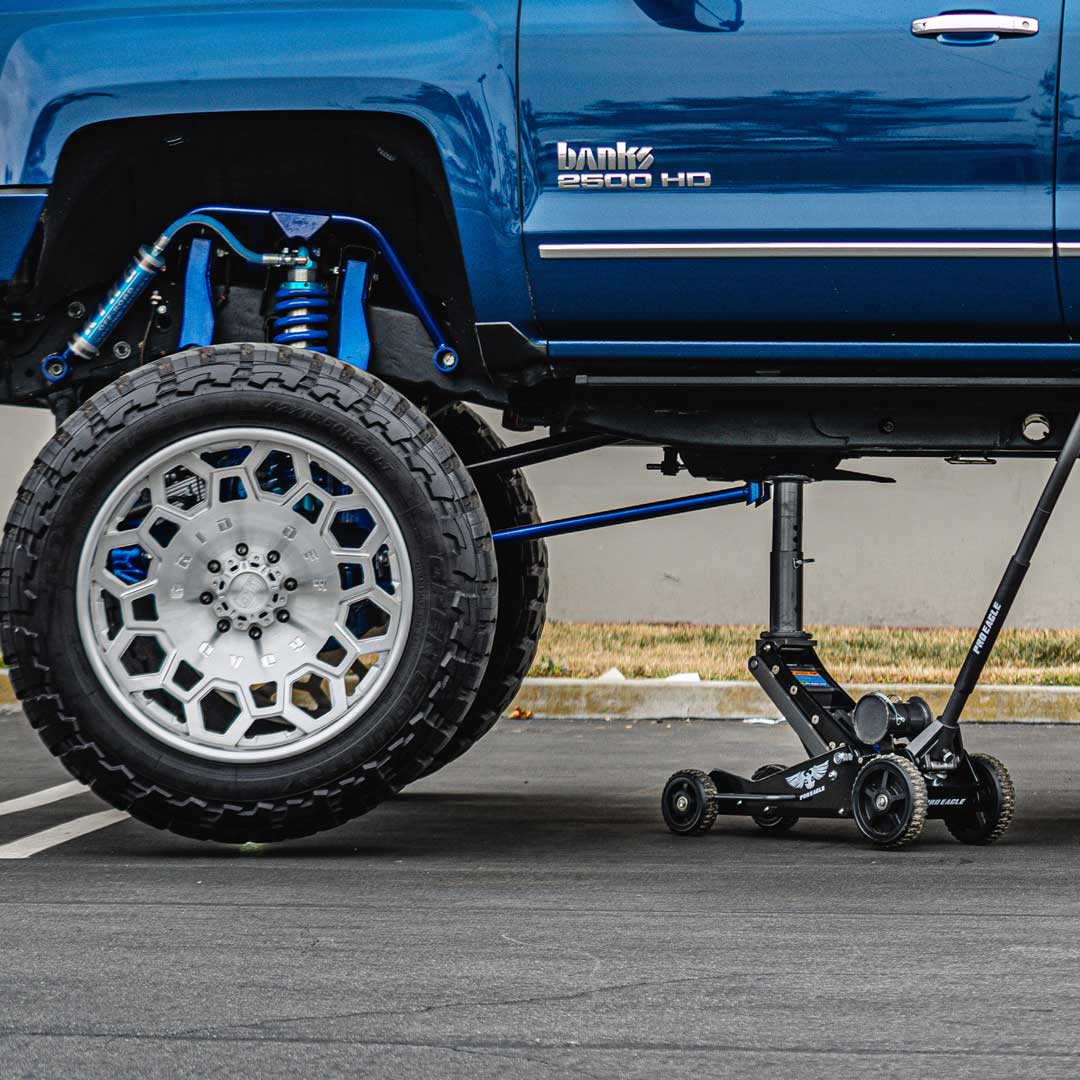
The Lifted Truck Problem:
Suspension Droop
If you are driving a modified Tacoma, Wrangler, or lifted fleet truck, lifting from the frame introduces a massive physical challenge: suspension droop.
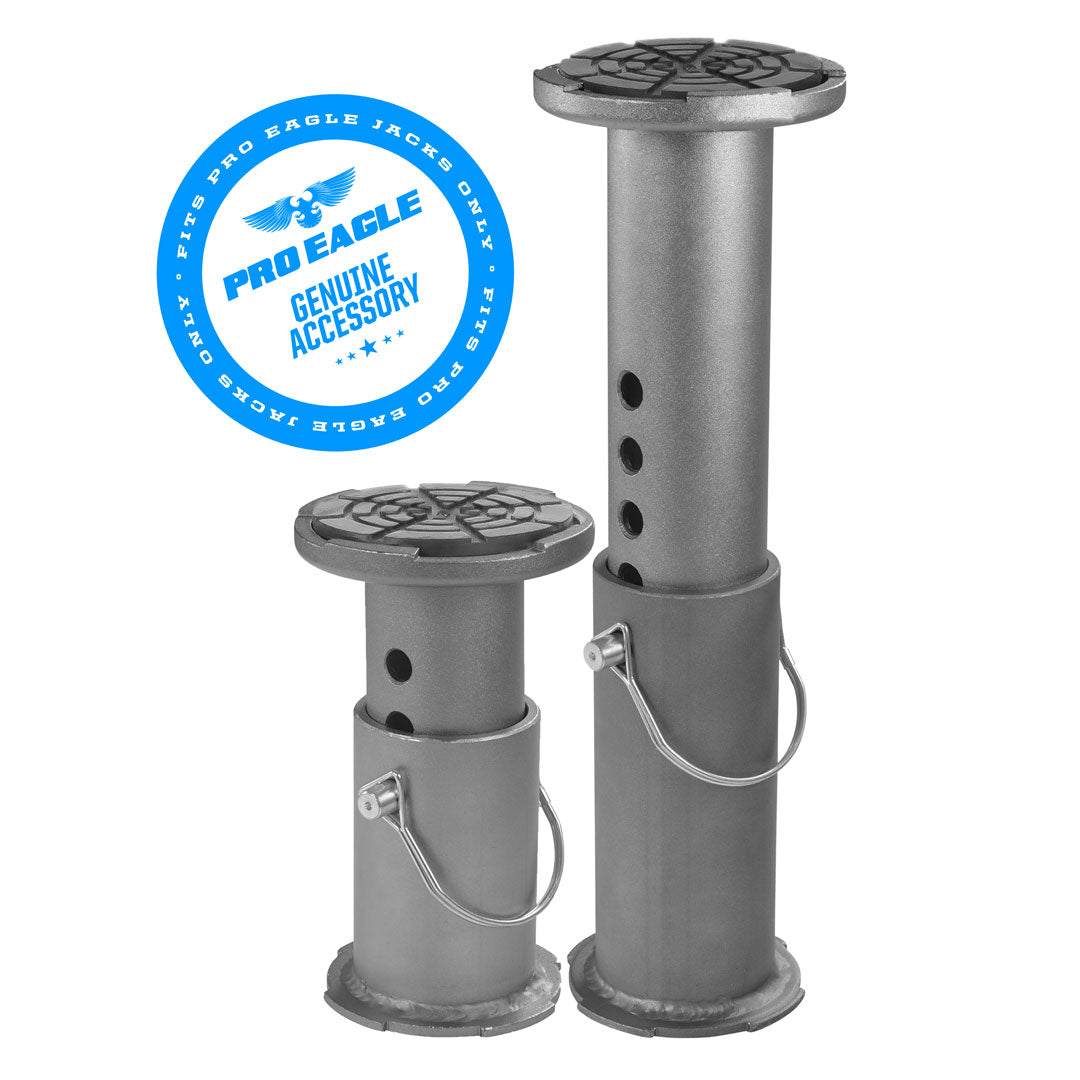
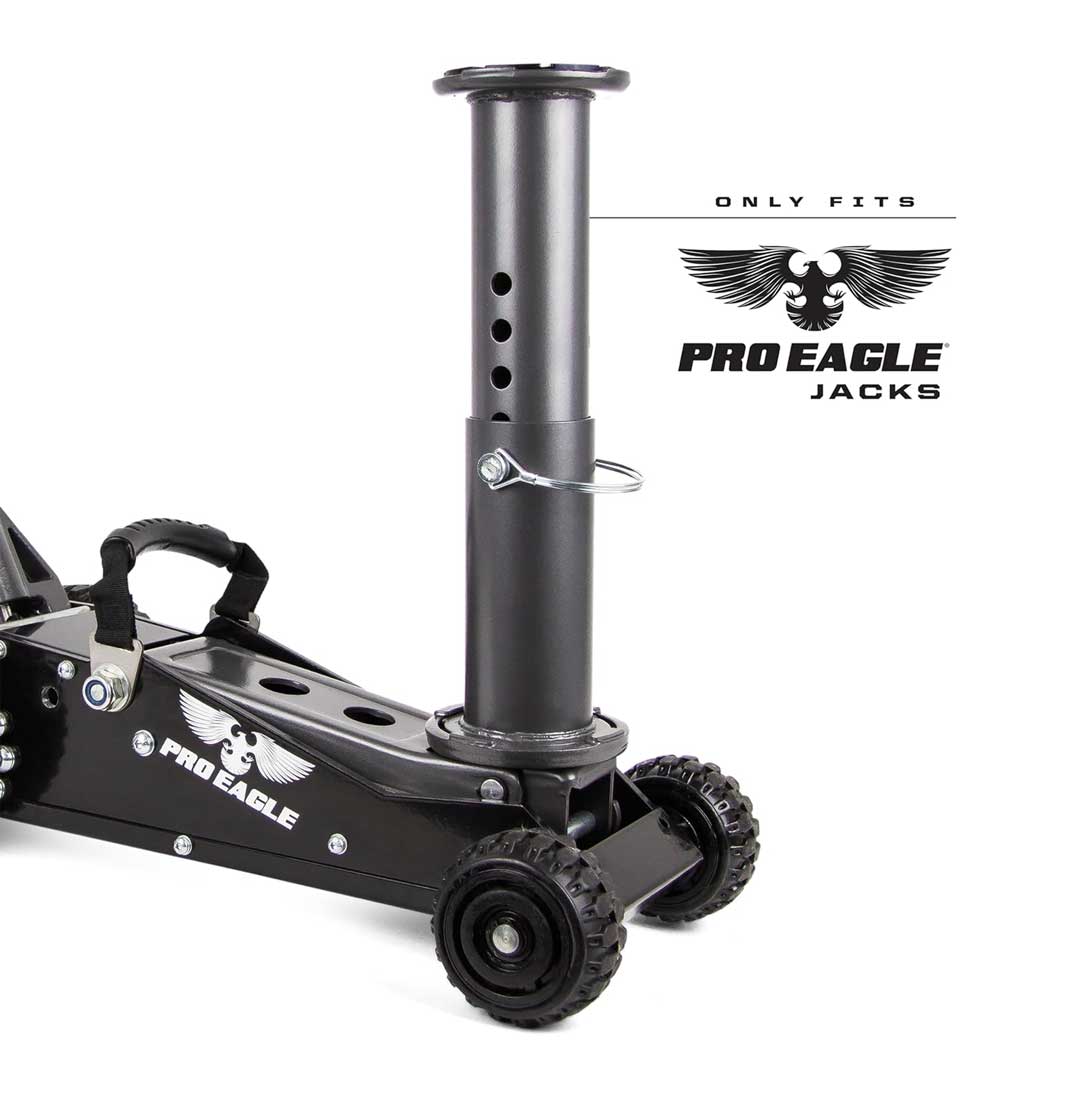
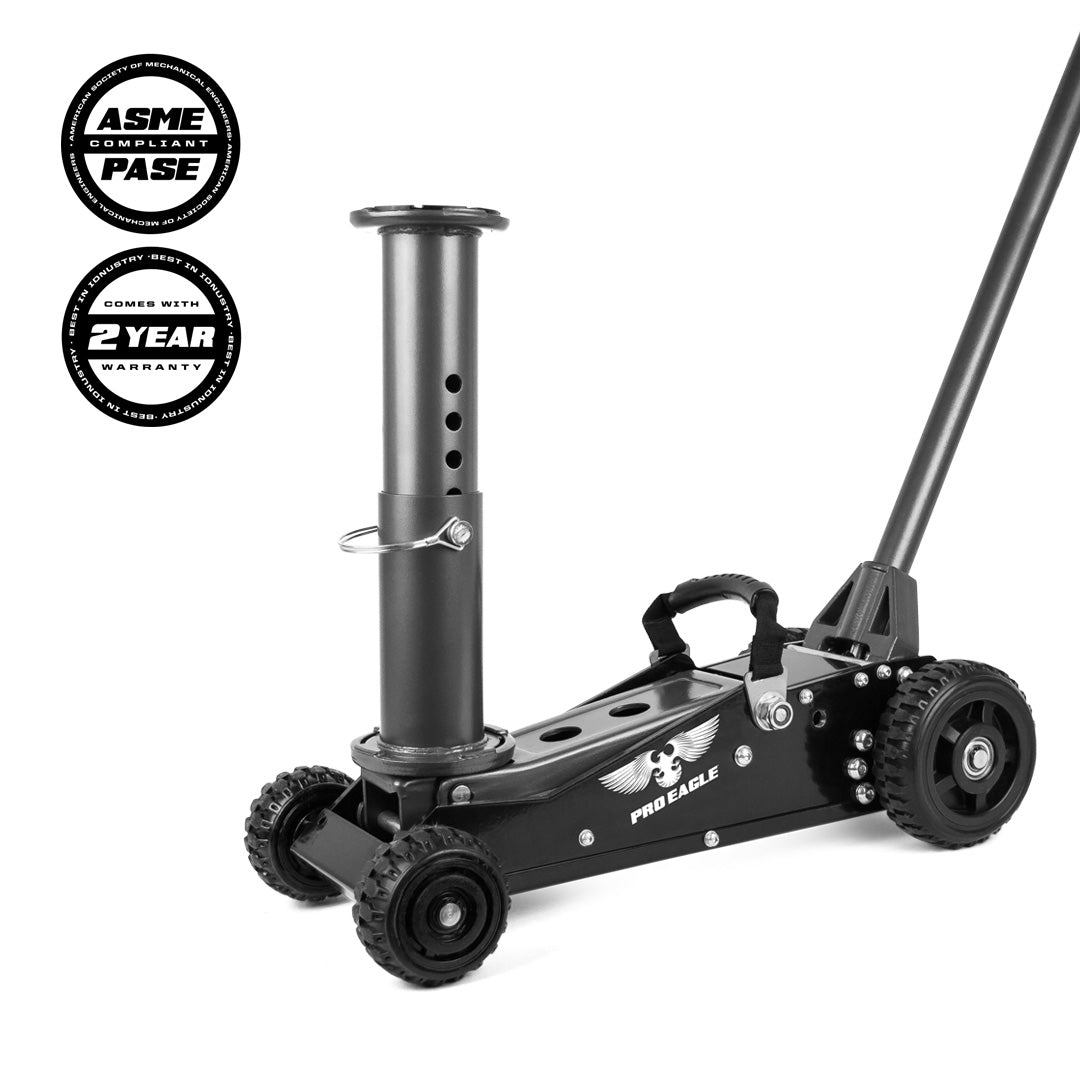
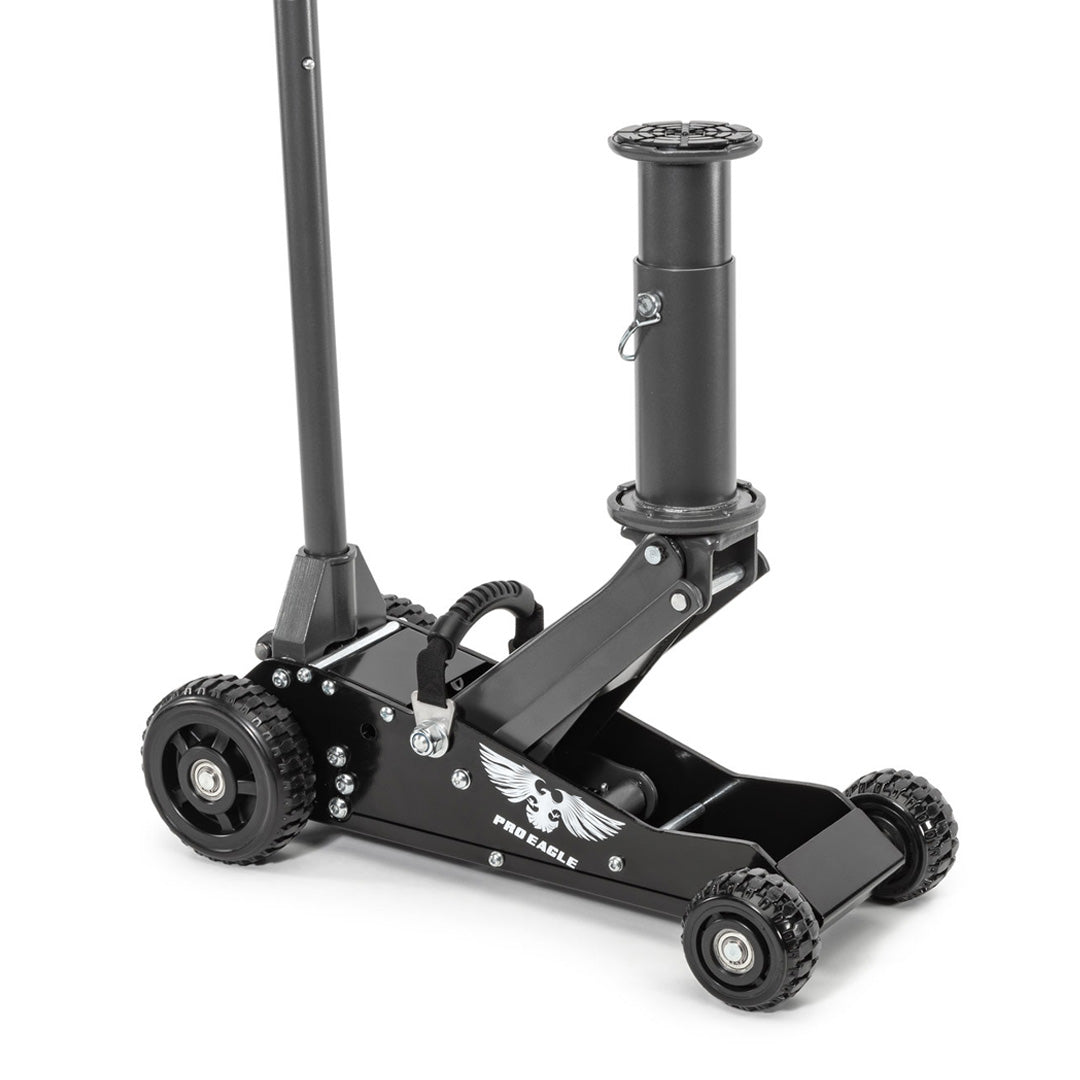
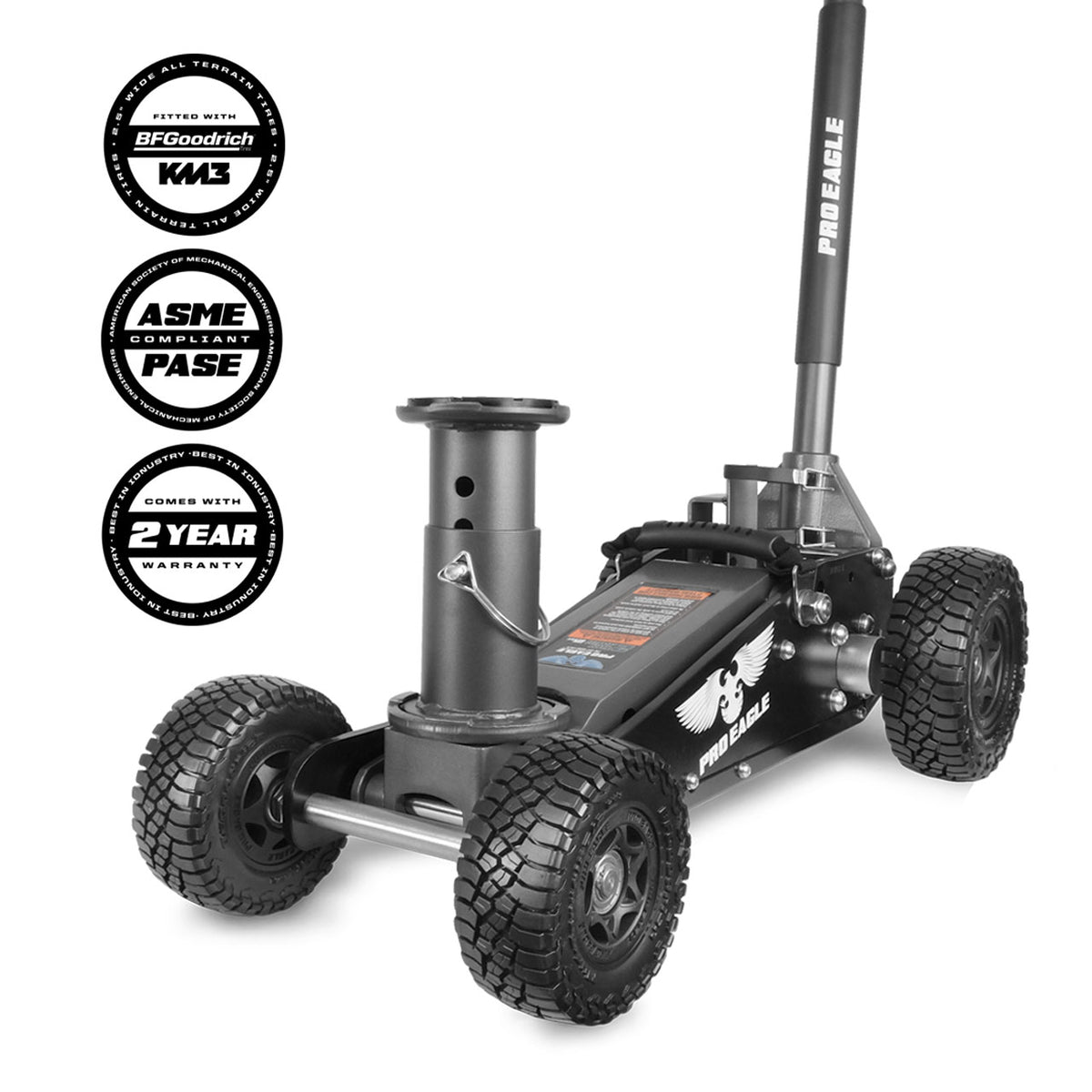
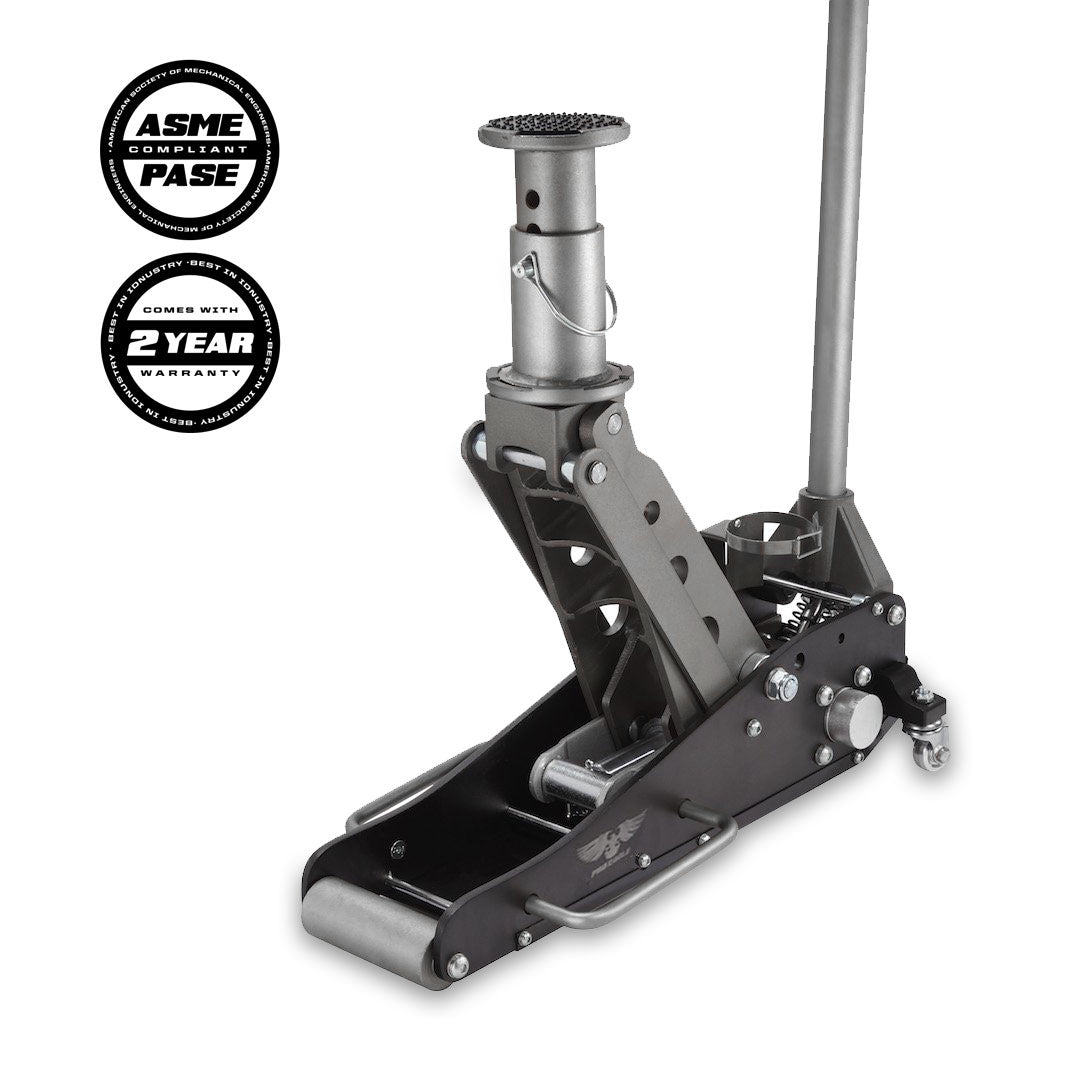
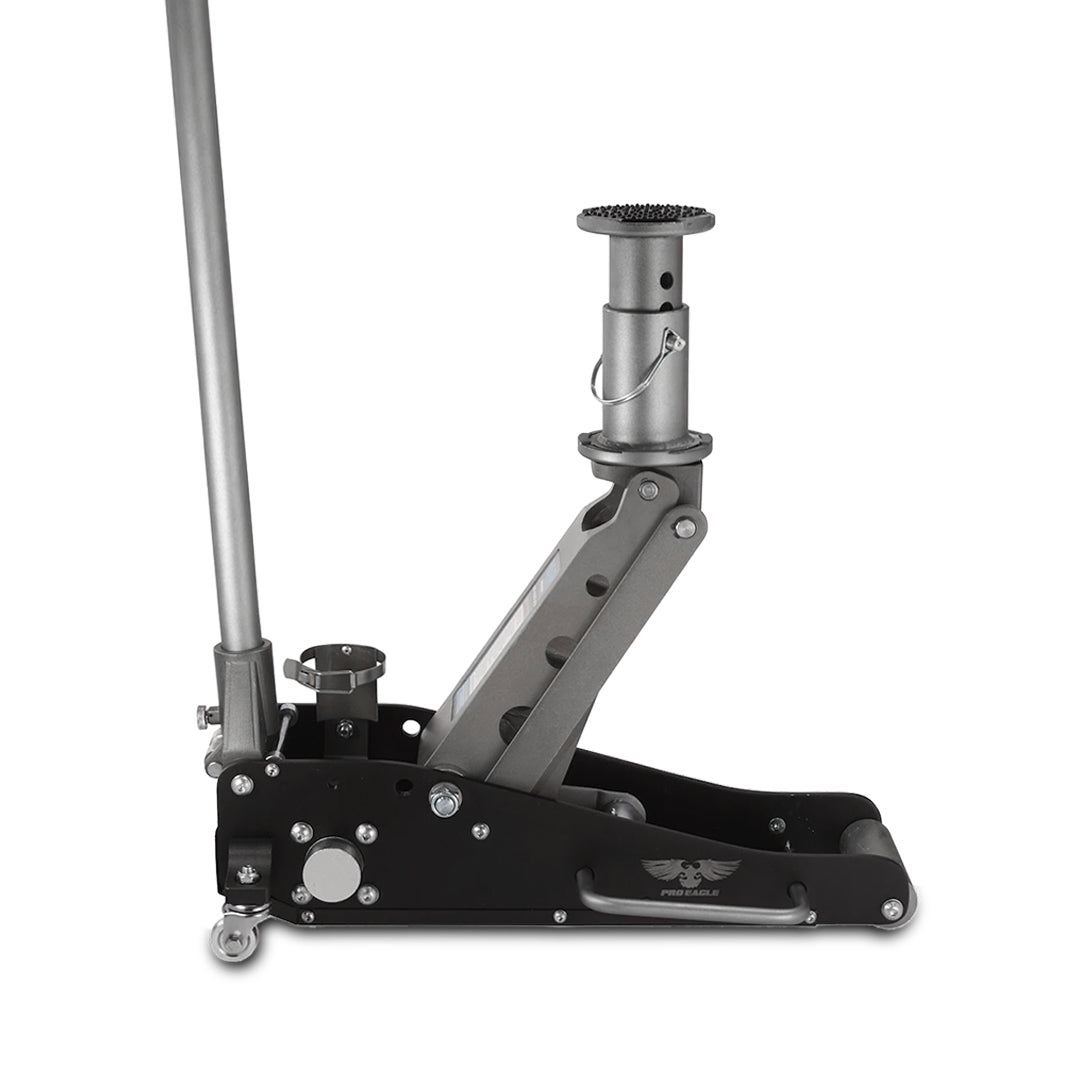
When you jack up a lifted truck from the frame, the suspension fully expands. A standard garage jack will reach its maximum height long before your tire ever leaves the dirt. This forces people into the highly dangerous practice of stacking wood blocks. Stop doing this immediately. If your frame sits too high, snap in our solid steel 8-inch or 15-inch Jack Extensions. They lock directly into our 2 Ton Beast or 1.5 Ton Talon jacks to safely bridge the gap between the jack and your high-clearance frame.
Check them all below:

The Heavyweight EV Problem:
Lifting a Rolling Battery
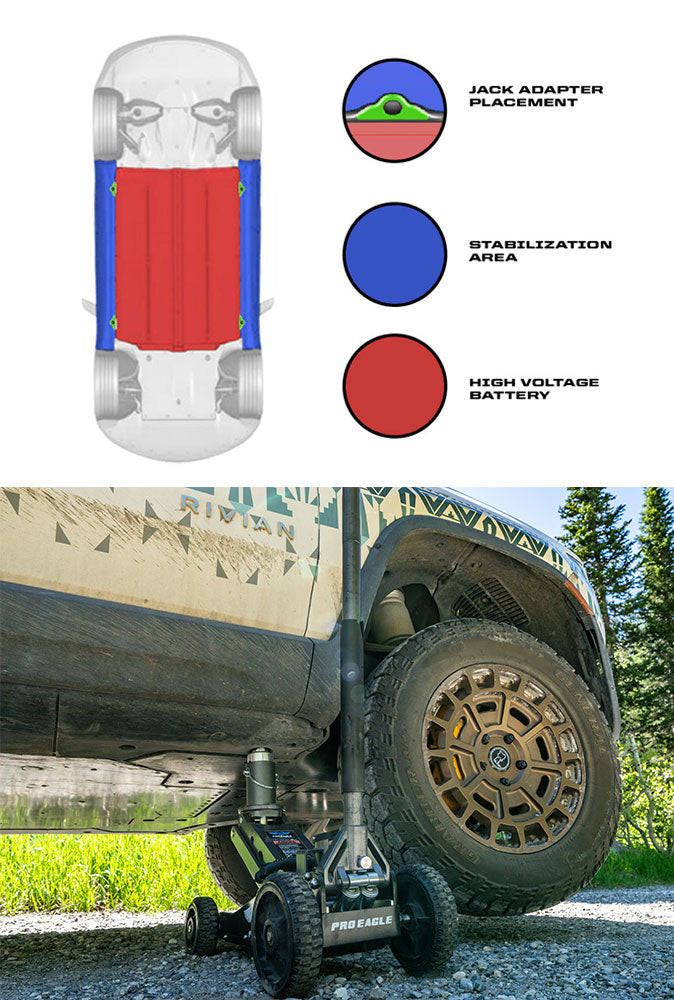
Let's be brutally honest: lifting an Electric Vehicle is an entirely different beast than lifting a traditional gas truck, and the stakes are infinitely higher. If you are working on a Rivian, a Hummer EV, or a Tesla, you are dealing with two massive physical challenges: extreme, concentrated weight and a belly full of highly sensitive battery cells.
First, let's talk about the weight. A Rivian R1S weighs over 7,000 pounds, and a Hummer EV tips the scales at an astonishing 9,000 pounds. You absolutely cannot trust that kind of extreme weight to a cheap, discount-store garage jack. It will buckle.
Second, let's talk about the danger zone. On an EV, the entire floor is essentially a giant battery pack. The factory lift points are incredibly specific and very small. If you try to lift one of these vehicles using a standard, flat steel jack pad, you are relying entirely on friction to hold thousands of pounds in place. If the vehicle shifts even a fraction of an inch while you are lifting, that flat pad will slip off the lift point and punch straight through the battery casing.
Best case scenario? You just bought yourself a $20,000 paperweight. Worst case scenario? You spark a catastrophic, unextinguishable fire right in your client's driveway.
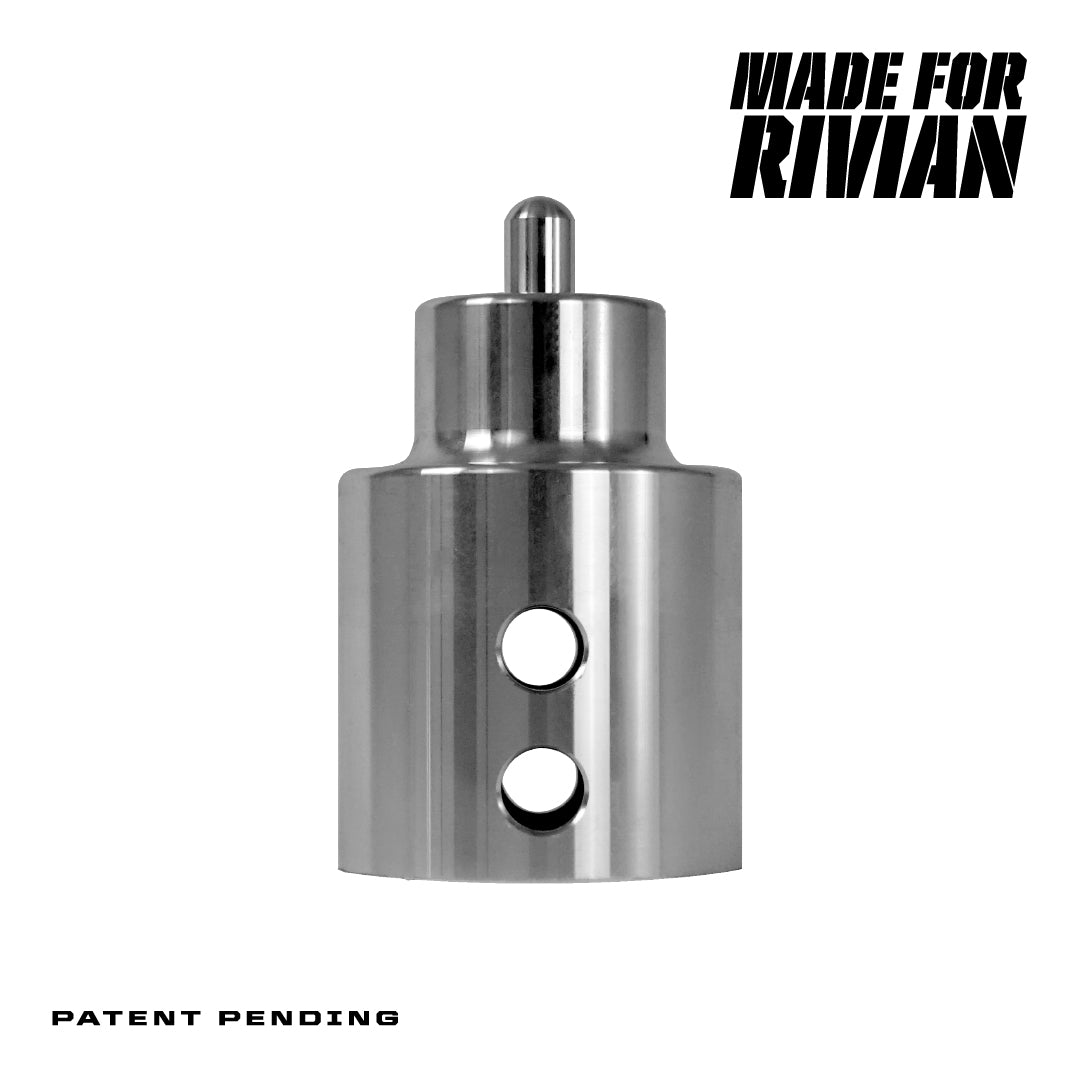
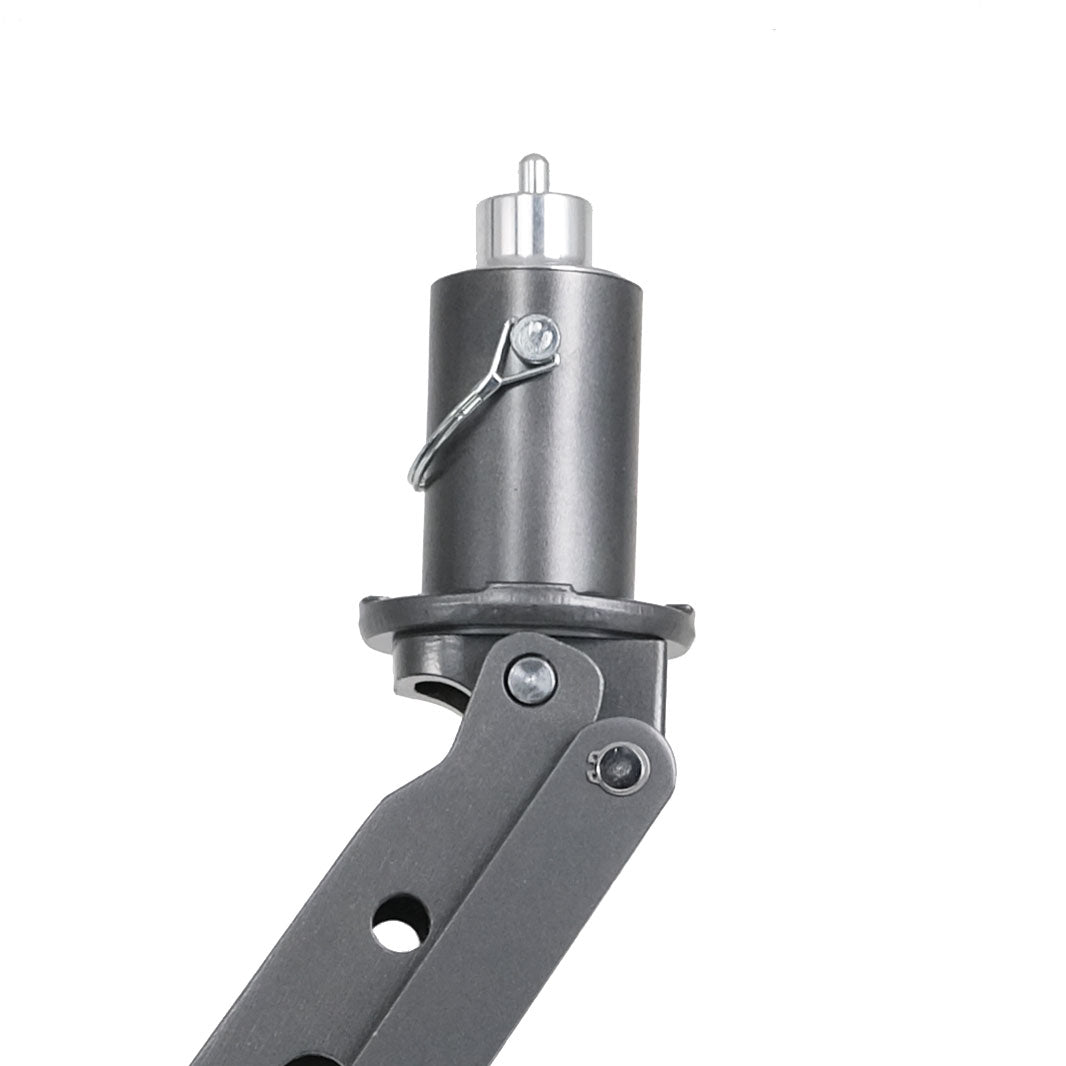
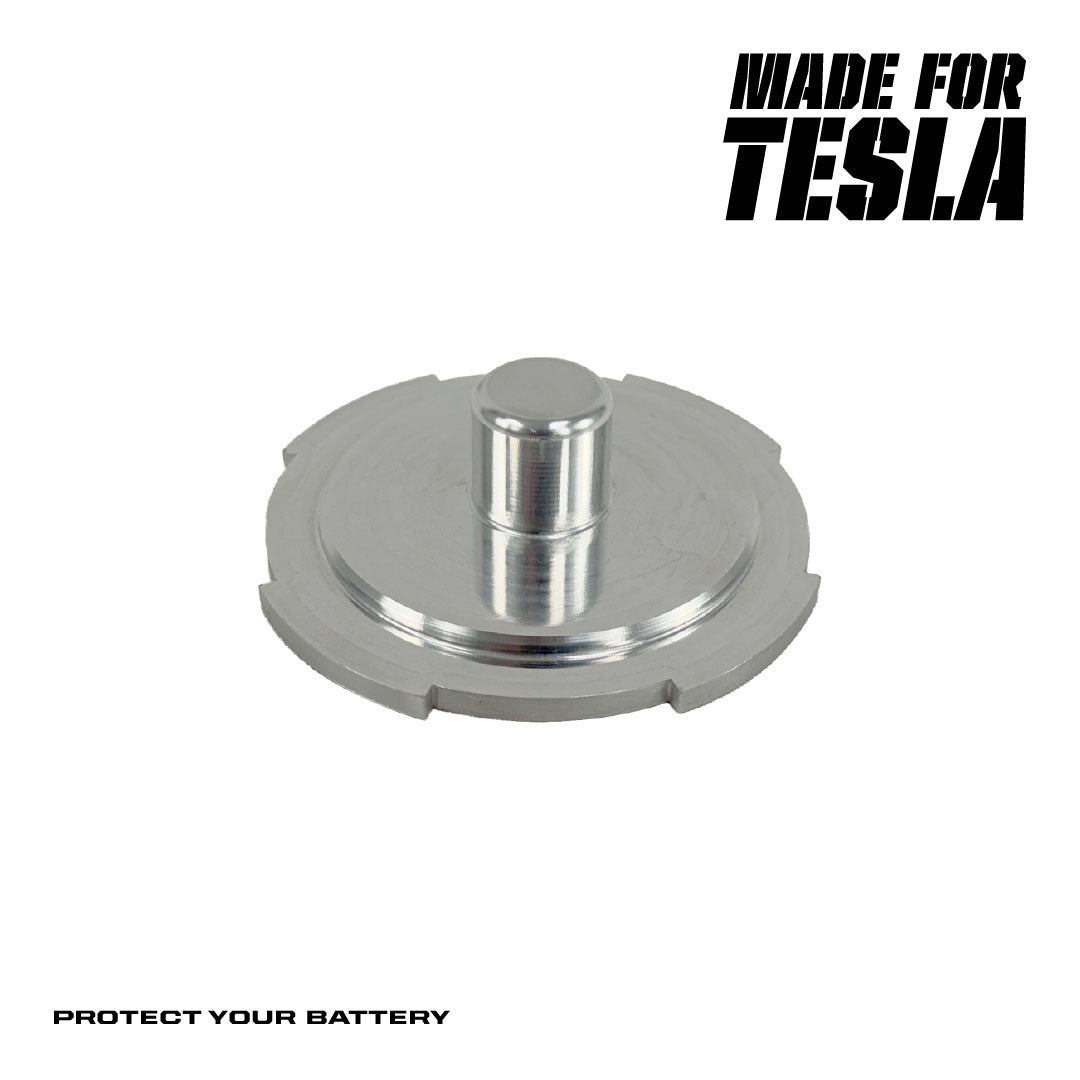
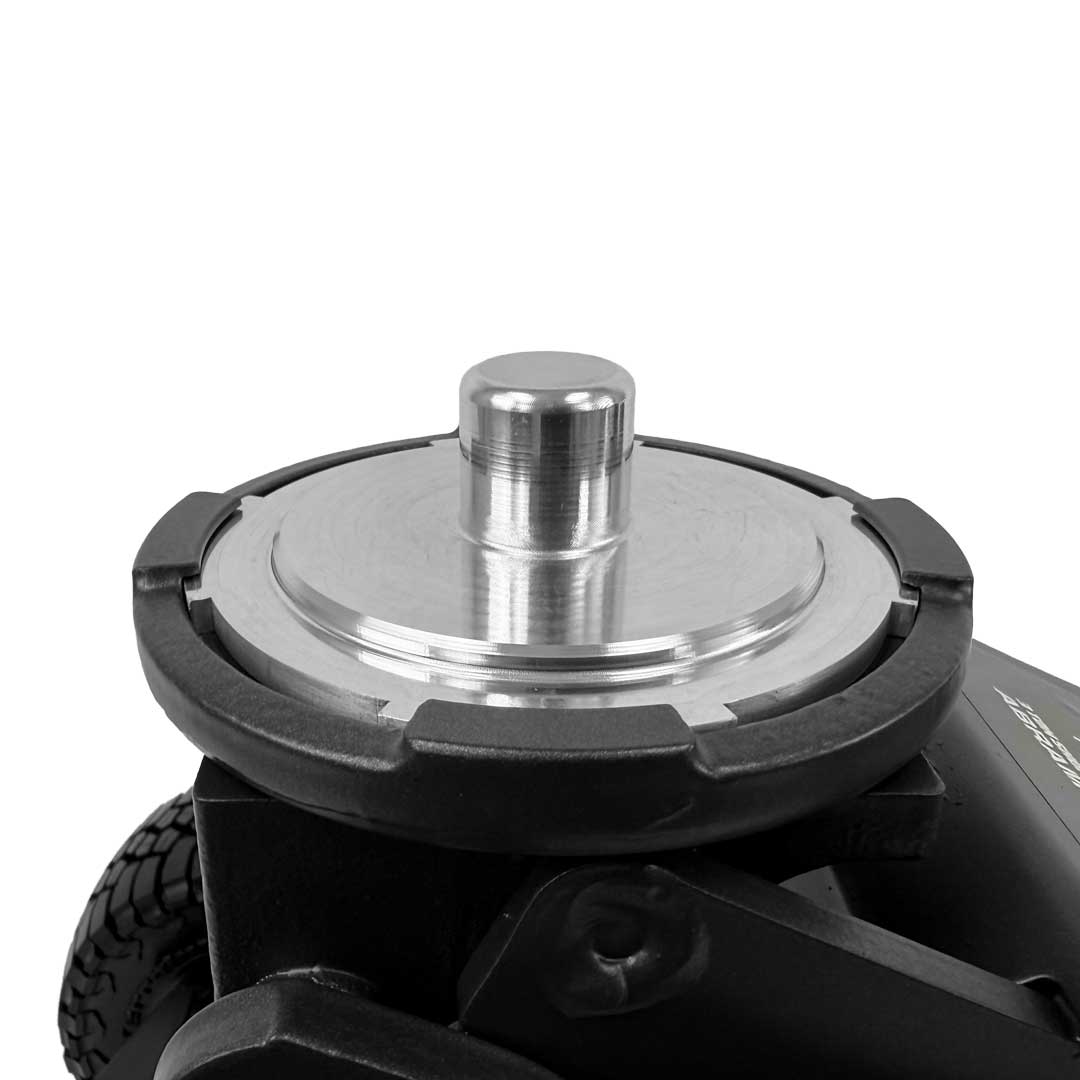
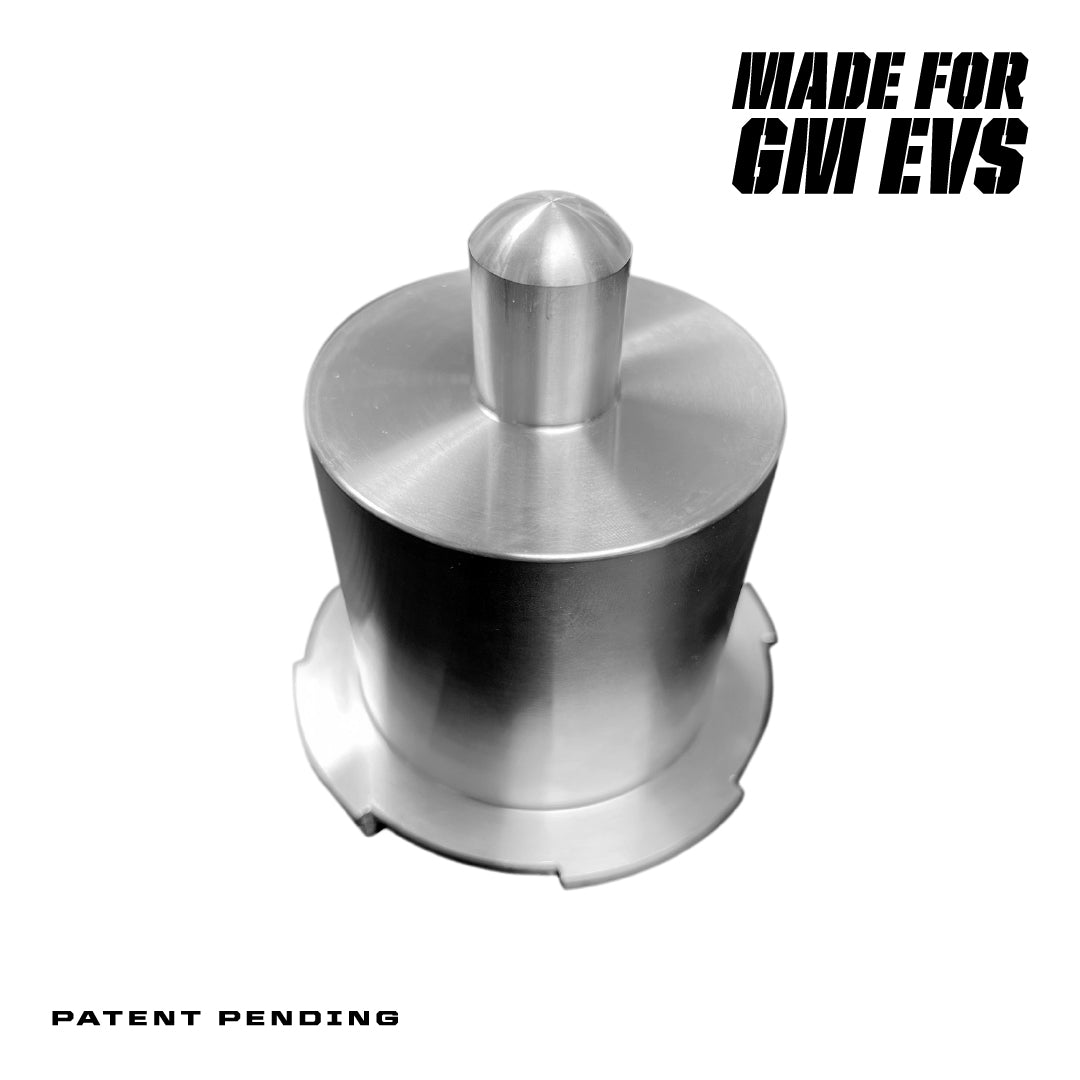
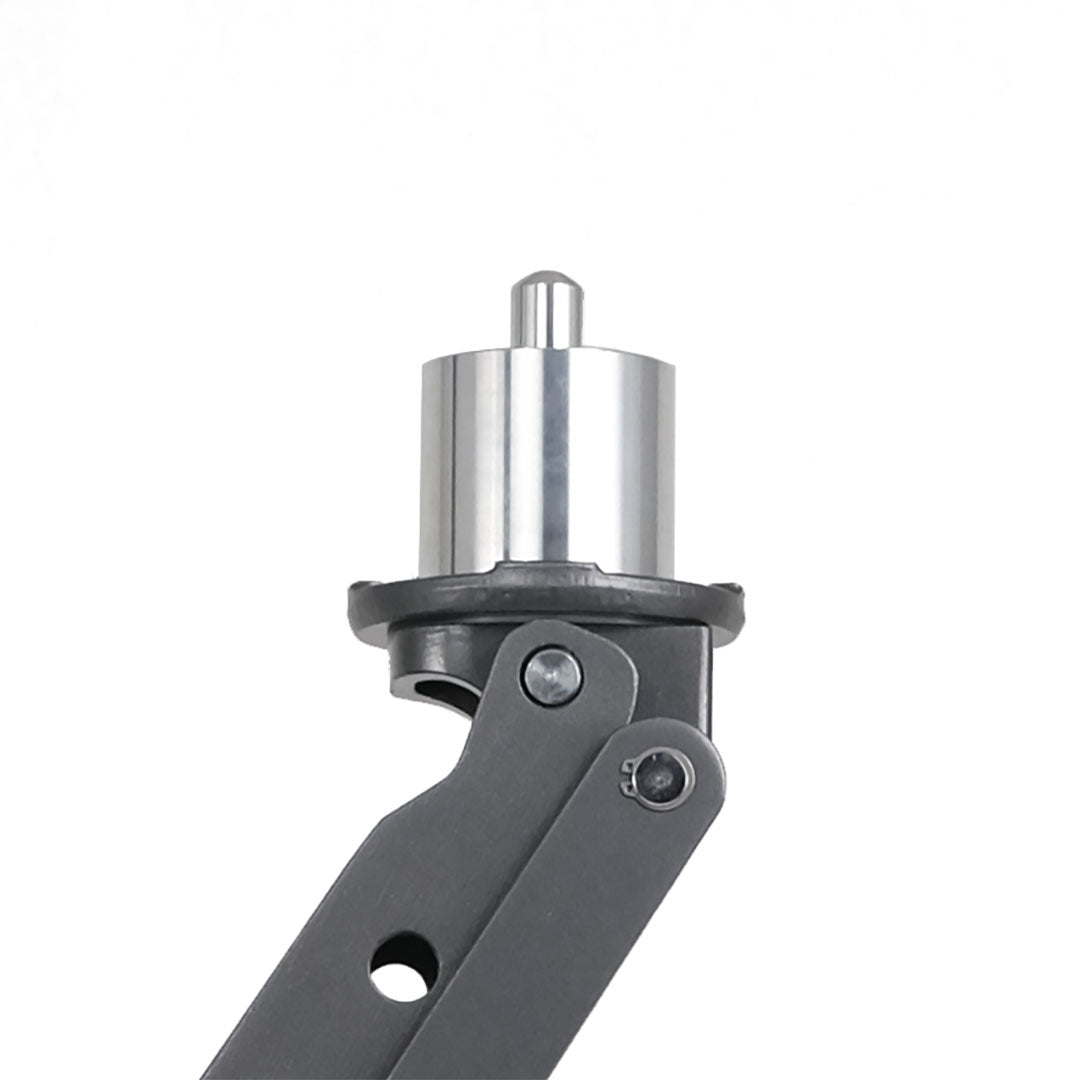
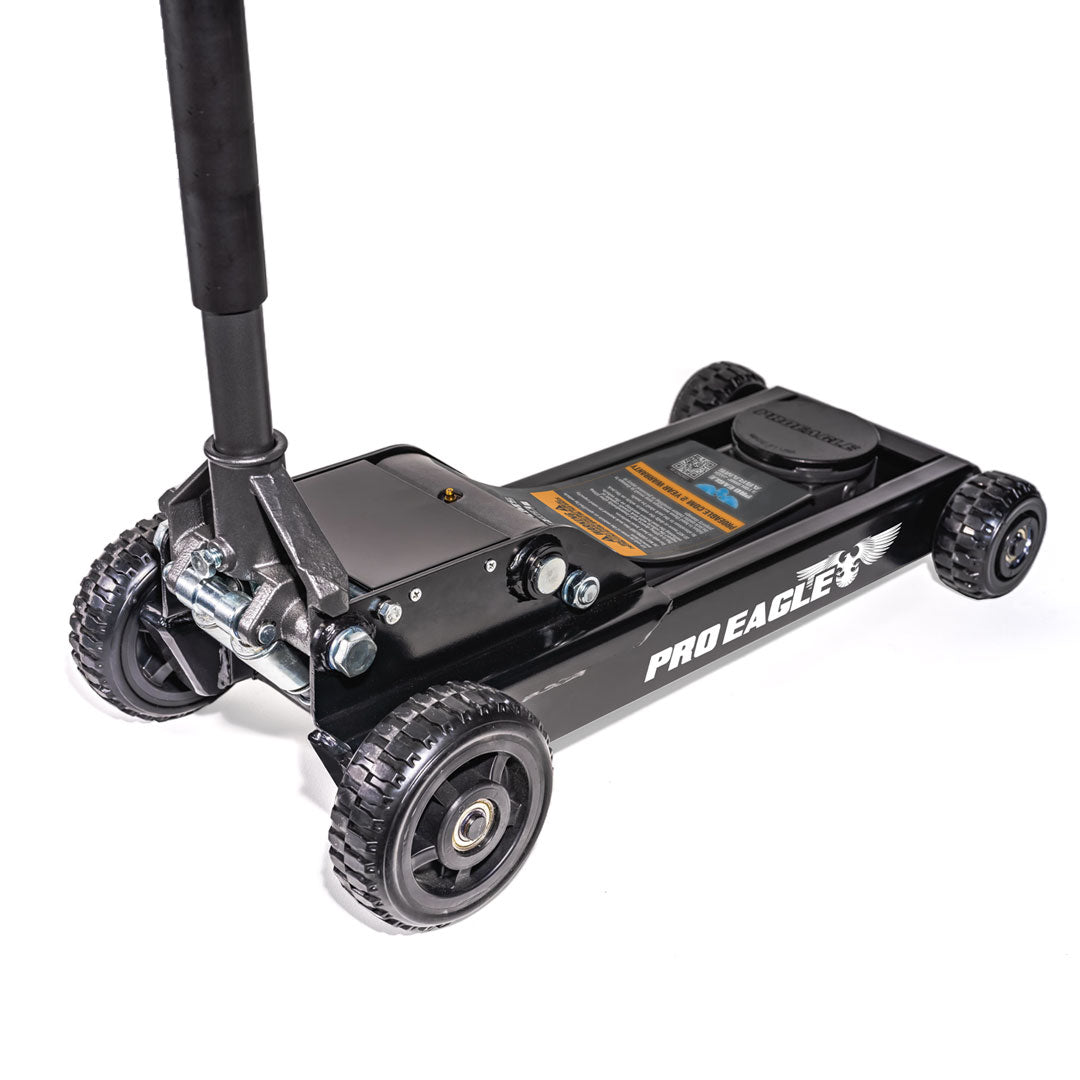
This is not a situation where you can guess, and it is certainly not a place to cut corners. You must use a lock-in adapter. To solve this massive safety hazard, we engineered highly specific, precision-machined Rivian, GM EV, and Tesla Adapters. These are not generic rubber pucks that sit loosely on your jack. Our adapters were designed by Rivian and GM. We build them to their specific dimensions requested by them for their repair technicians. The top of the adapter physically inserts into the manufacturer's designated lifting holes on the vehicle, and the bottom snaps perfectly into the lift pad of our heavy-duty 3 Ton Abrams and 3 Ton Kratos jacks. Once connected, the jack is mechanically locked to the vehicle's frame. Slipping becomes physically impossible. You get a completely secure, solid steel connection that protects the battery, protects the vehicle, and most importantly, protects you while you work.
PRO EAGLE EV PRODUCT LINE


Busting the Myth:
Lifting Under the Rear Axle
There is a persistent internet myth that you cannot lift a truck under the rear axle. Let's kill that rumor right now.
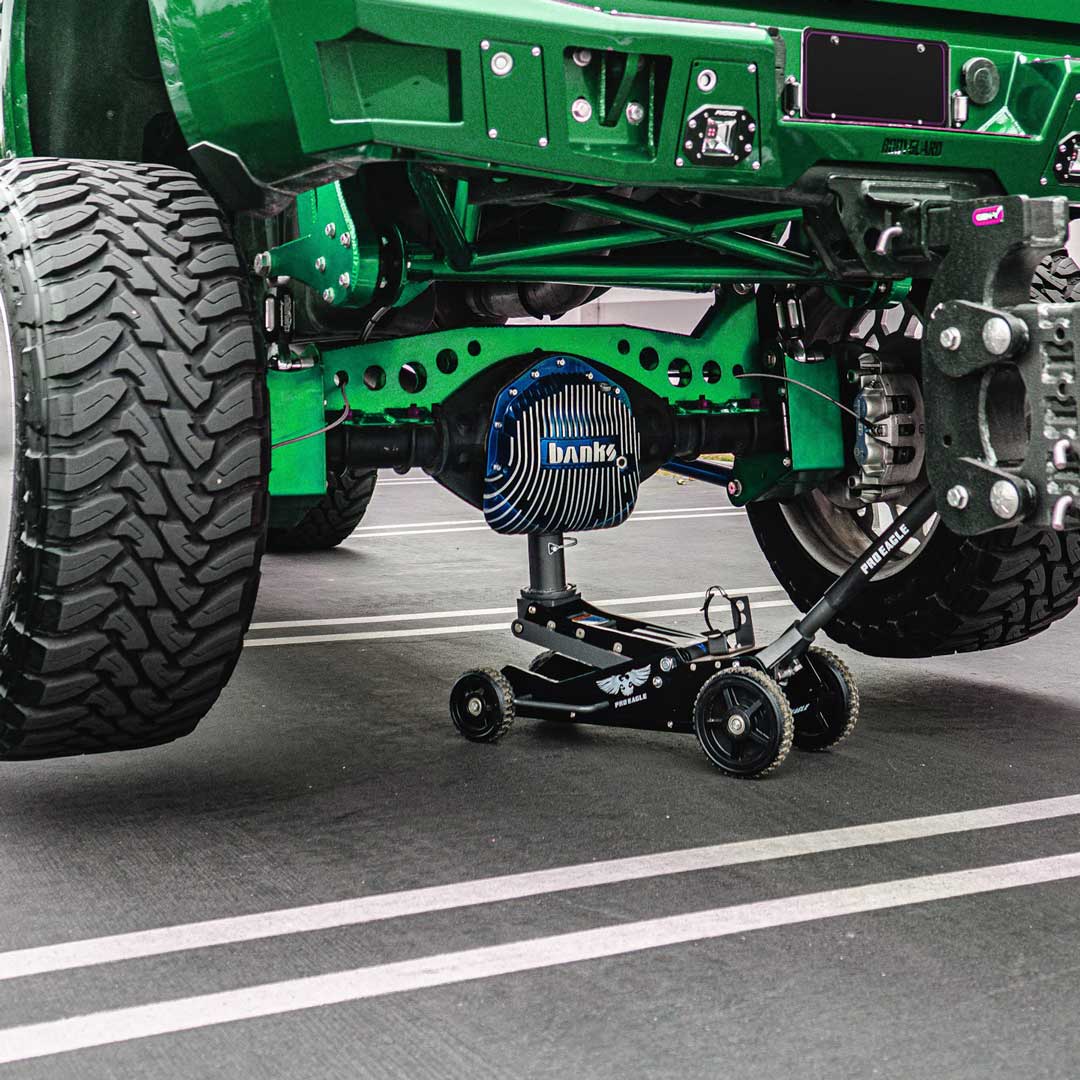
In general, lifting from a solid steel axle housing is perfectly safe and will not harm your truck. In fact, lifting under the axle is often the smartest move for lifted rigs because it requires the least amount of lift height to get the tire off the ground (bypassing the suspension droop entirely).
How to lift from the axle safely:
- Placement is critical. Never place the jack pad on the differential cover, shock mounts, or suspension brackets.
- Roll in smoothly. This is where standard steel jack wheels get stuck on driveway cracks or gravel, making positioning difficult. Our exclusive BFGoodrich KM3 Tires let you roll a massive jack right under the differential silently and effortlessly.
- Find bare steel and keep it clean. Heavy-duty trucks often have thick layers of greasy factory undercoating on the axles. Wipe it clean before lifting so your jack pad does not slip under pressure. While you are crawling under there getting dirty, lay down our heavy-duty Pro Eagle Pit Mat so you do not permanently stain your driveway with axle grease.
Always Secure Your Load
The most important part of lifting any vehicle happens after the tires leave the ground. A hydraulic jack is a lifting device, not a holding device. If you are working under a vehicle, you must properly support it. No excuses.
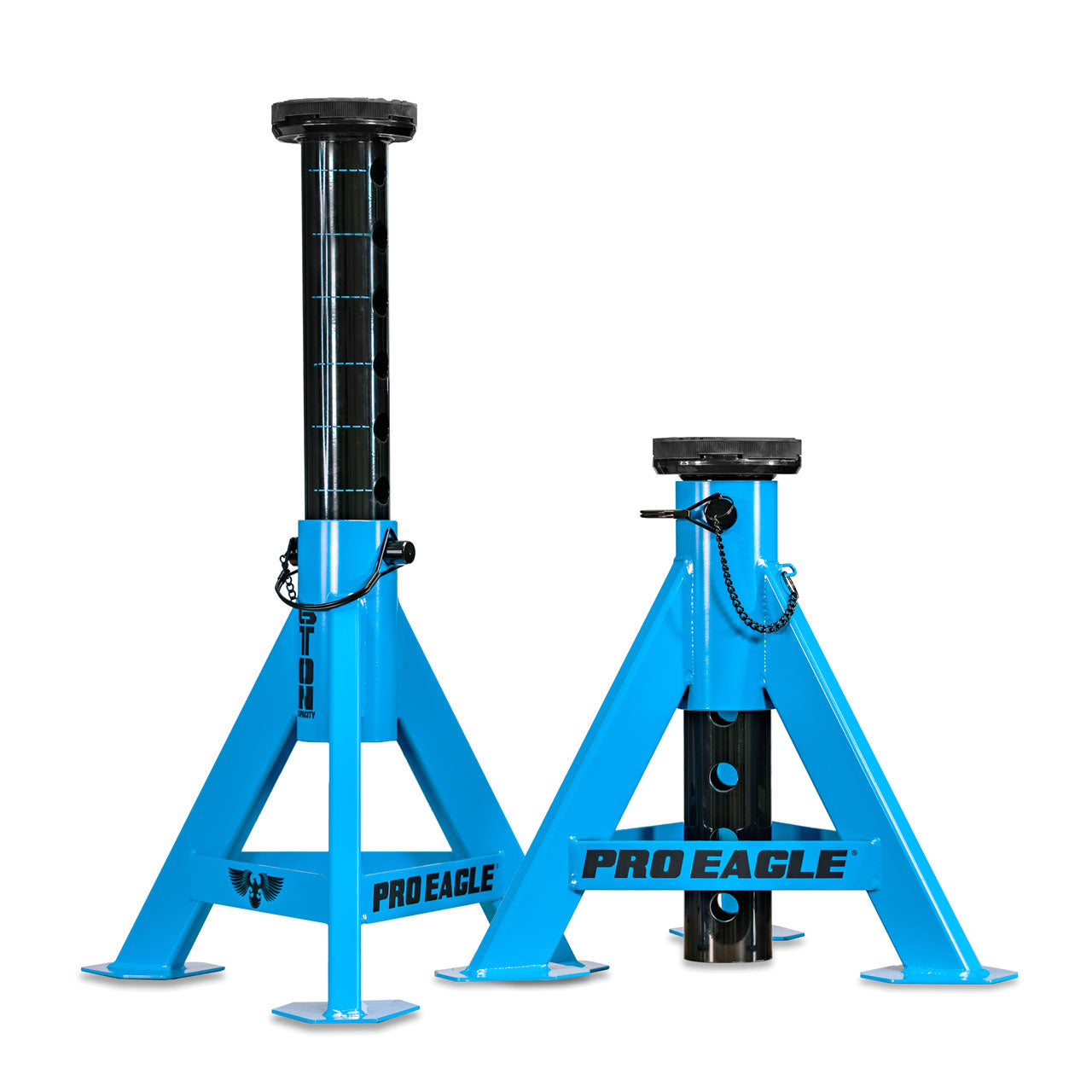
- Use Pro Eagle 6-Ton Jack Stands: Do not trust your life to a discount-store stand that might get recalled tomorrow. Use our heavily overbuilt, ASME-certified Pro Eagle 6-Ton Jack Stands. They are specifically designed with the massive height required to support lifted trucks, heavy EVs, and off-road vehicles safely. Place them securely under the factory lift points or bare axle.
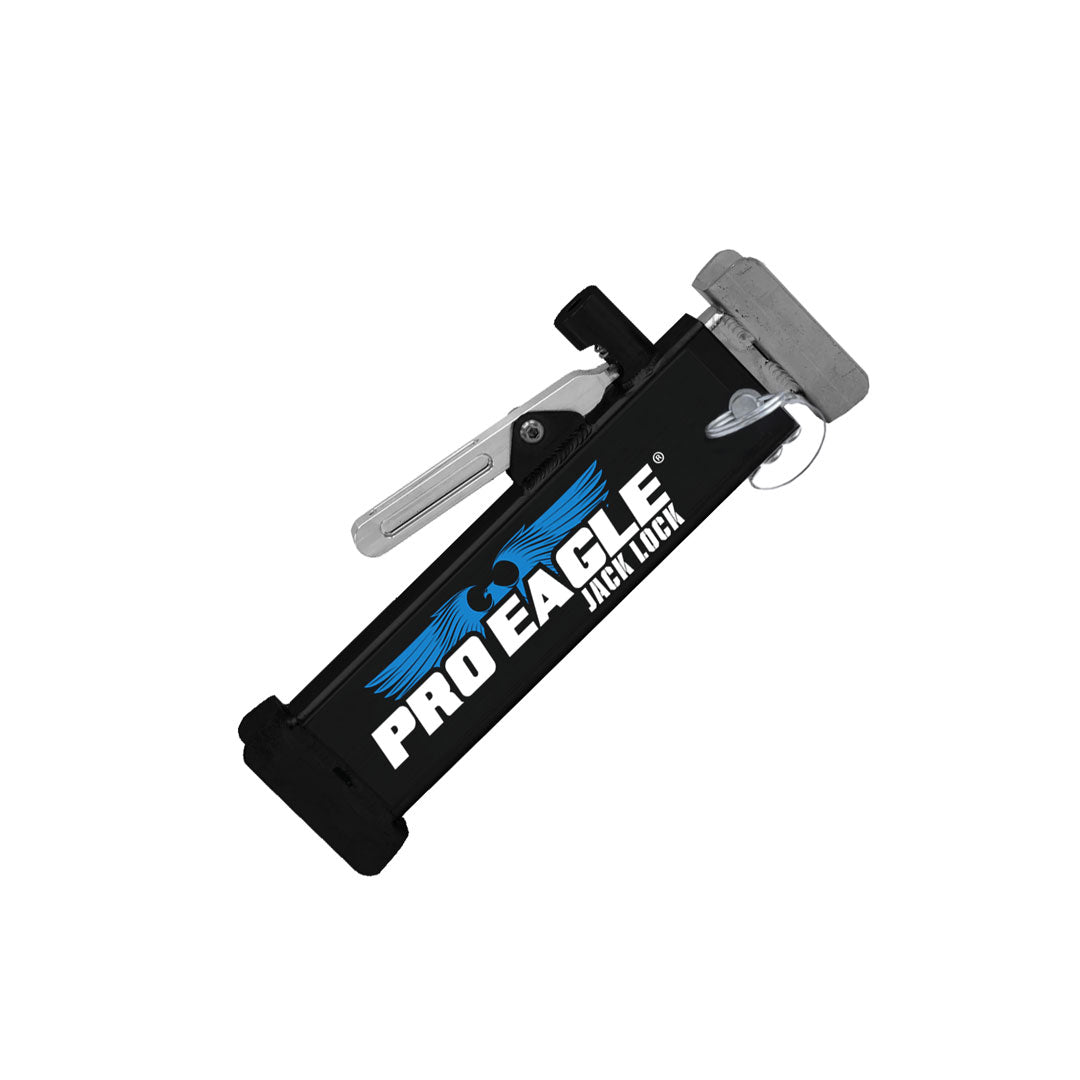
- Engage the Pro Eagle Jack Lock®: If you are doing a quick, emergency tire change in the dirt where lugging around heavy stands is completely impractical, you must utilize the Pro Eagle Jack Lock. This brilliant piece of steel snaps securely into place to create an absolute mechanical lockout. Here is the brutal truth: the biggest danger when lifting a vehicle isn't the equipment failing; it is human error. If a bystander trips over the jack handle, or you accidentally bump the release valve while wrestling with a heavy 35-inch tire, gravity takes over instantly. The Jack Lock physically blocks the jack from lowering, instantly turning your fluid hydraulic equipment into a solid steel mechanical support.

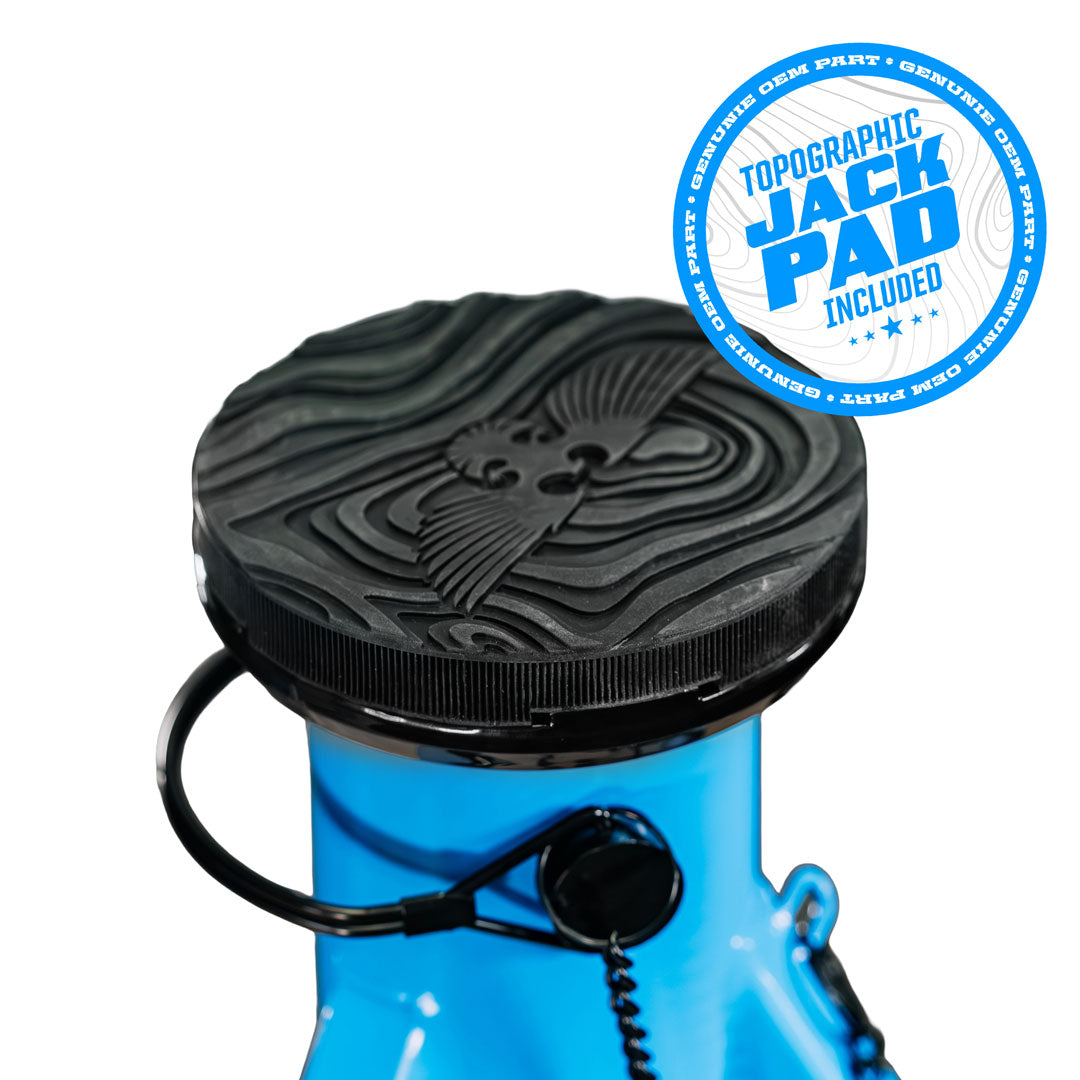
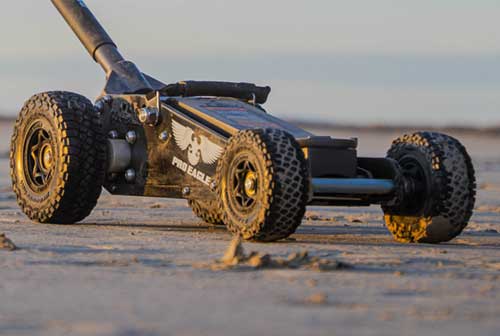
If your jack has been supporting heavy rigs through seasons of rocks, silt, and shop projects, your wheels have taken a beating. Sand, rocks, and hard surfaces naturally wear down bearings and trea...

The Definitive Guide to Vehicle Lift Points: Where to Safely Place Your Jack
Let's get one thing straight right out of the gate: guessing where to lift a 6,000-pound vehicle is a terrible idea. Between modern unibody construction, massive suspension travel on lifted trucks,...
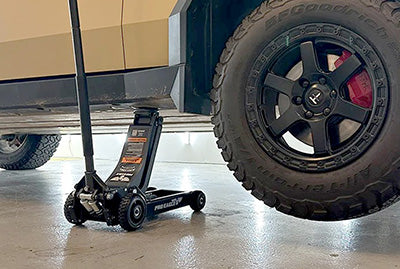
Protecting the lift point and proper use of extensions
Protecting the lift point and proper use of extensions One major advantage in the design of our lift pad and extension connection point is how easy and quicky the extension or adapter can be attach...